
Swing Confidence at Home, No Yard Required

Today we explore Small-Space Golf Practice Gear with a practical, upbeat guide for apartments, dorms, basements, and tiny back patios. Discover compact nets, quiet mats, creative drills, and smart tech that turn tight corners into productive practice stations. Share your room dimensions, ask questions, and subscribe for weekly micro-sessions designed to build consistency without annoying neighbors or sacrificing safety, storage, or style.

Measure First, Miss Nothing

Ceiling Height, Arc, and Club Choice
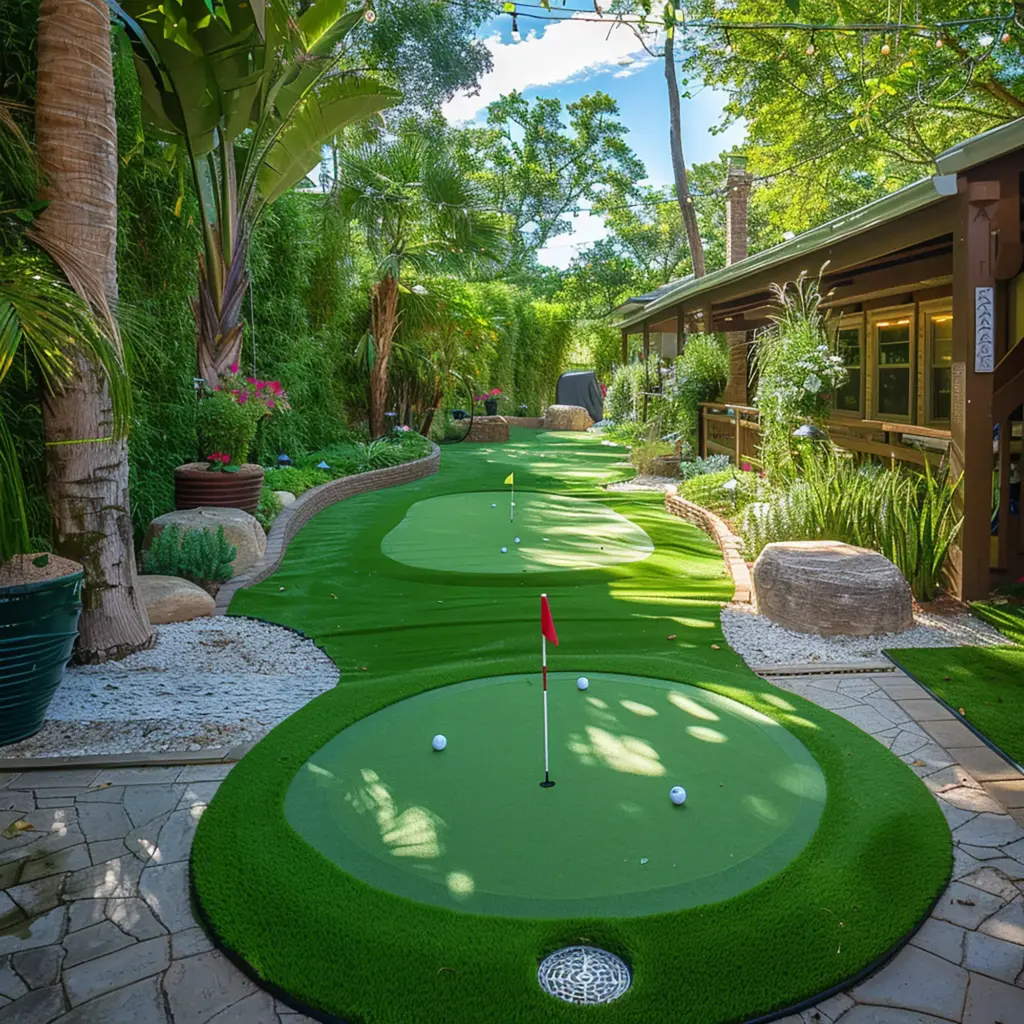
Measure from floor to the lowest fixture, not just the ceiling, and note any fans or beams that might catch a backswing. If driver clearance is tight, focus on wedges, half swings, or a shorter training club to groove path and face control. Many golfers gain speed and accuracy by mastering compact positions first, using slow-motion rehearsals that build sequencing without risking scuffs, dings, or painful surprise collisions.

Footprint, Clearance, and Safety Margins

Map out the hitting area, net placement, stance space, and safe buffer zones behind and beside the strike point. Leave extra room for follow-through and errant strikes, and avoid aiming toward windows or doorways. Consider a return net that captures and drops balls at your feet, reducing chase time. Maintain clear sightlines to any entry points so roommates or kids never walk into your swing path. Safety-first layouts invite daily, stress-free practice.

Quiet Matters: Noise, Vibration, Etiquette

In shared buildings, noise travels through floors and walls, especially during evenings. Choose foam or limited-flight balls, mats with dense shock absorption, and rubber underlayment to dampen vibrations. Practice during friendly hours, and communicate your routine to neighbors. Subtle habits—like setting clubs down gently and using felt bumpers on net frames—create goodwill. Quiet gear not only keeps peace; it helps you relax, focus, and train longer without self-conscious distractions.

Essential Hardware for Tight Quarters

Create a reliable corner range with portable nets, compact hitting mats, and roll-back putting greens that deploy quickly and store flat. Favor equipment that sets up in minutes, resists tipping, and survives daily use. Protective backdrops reduce anxiety about scuffs, while stance pads align your body consistently. A modular approach lets you start small, then upgrade piece by piece as confidence and goals grow. Durability and convenience are the twin pillars of sustainable practice.

Launch Monitors in Short Rooms

If depth is limited, consider camera-based launch monitors that sit in front of or beside the ball rather than behind it. Many models estimate spin and carry well enough for indoors with foam or low-compression balls. Ensure sufficient lighting and a contrasting ball against your backdrop for cleaner reads. For radar units, increase room length or hit into a corridor aligned with your net. Start with half swings to validate numbers, then extend gradually.

Swing Trainers for Repetition Without Balls

Tempo trainers, weighted clubs, impact bags, and resistance bands help groove sequence and speed when hitting balls is impractical. Use a mirror or phone camera to monitor wrist angles, hip rotation, and posture. High-frequency, low-duration sets—like five minutes, three times a day—build motor patterns with minimal fatigue. For extra feedback, place alignment sticks on the floor to visualize path and aim. Ball flights change only after movement patterns become predictable and repeatable indoors.

Apps, Logs, and Micro-Cycles

Structure prevents aimless swinging. Use a simple app or spreadsheet to track minutes, drills, perceived difficulty, and one takeaway per session. Group weekdays into micro-cycles—two focused putting days, two swing days, one mobility day—keeping weekends optional. Record short videos monthly from the same angles to compare posture and hand path. When data reveals a trend, refine one variable at a time. Progress accelerates when your plan is small, specific, and consistently executed.

Putt Ladder and Gate Mastery

Place two coin gates aligned to your start line and climb a distance ladder from three to ten feet, repeating only when the ball passes cleanly. Focus on a quiet head and consistent grip pressure. Add a metronome to standardize rhythm. If space allows, finish with downhill and uphill reps by slightly raising or lowering one end of the mat. Track streaks on a sticky note and share your best run with our community for encouragement.

Impact Positions at Slow Speed

Use a towel under both arms to encourage connected movement, then rehearse to waist-high, pause, and deliver to a simulated impact with a firm lead wrist. A mirror helps confirm shaft lean and balance. Avoid rushing; let pressure move to your lead foot gradually. Perform ten perfect reps, rest, then repeat. Add a phone set to sixty beats per minute and sync your backswing and downswing to steady counts that calm nerves under pressure.

Indoor Chipping Without Drama

Chip foam or microfiber balls to a throw pillow placed on a rug, picking a landing spot rather than staring at the pillow. Use a putting-like stroke with a wedge or mid-iron to control loft and rollout. Mark landing zones with tape and score accuracy over twenty reps. Keep backswings compact and wrists quiet. This drill teaches strike and trajectory without noise, and it translates beautifully to tight lies once you head back outdoors.

Real Homes, Real Results

Stories prove what specs cannot. Small rooms have shaped better swings, calmer putting strokes, and smarter practice habits. A violinist grooved tempo between rehearsals. A teacher rebuilt contact during winter break. A new parent relied on nap-time routines to stay sharp. These wins rarely come from heroic sessions; they grow from tiny, repeatable blocks anchored by clear feedback. Share your constraints and milestones, and we’ll help you tailor drills that fit your everyday life.

Safety, Storage, and Staying Power

Safe practice keeps you coming back. Protect walls with fabric backdrops, lay foam tiles under mats, and angle targets away from glass. Favor equipment that folds easily and stores flat, making setup a habit instead of a chore. Build a simple checklist so nothing gets skipped under time pressure. Budget upgrades intentionally: essentials first, data second, luxuries last. Engagement grows when your space feels inviting, quiet, and reliable every single day of the week.
Daiaaye
Privacy Overview

This website uses cookies so that we can provide you with the best user experience possible. Cookie information is stored in your browser and performs functions such as recognising you when you return to our website and helping our team to understand which sections of the website you find most interesting and useful.