
Swing Smarter Indoors, Even Under Low Ceilings
Today we dive into low-ceiling swing trainers and no-backswing alternatives, showing how to create consistent contact, reliable speed, and confident ball flight without a full takeaway. Whether you live in an apartment, practice in a basement, or travel with limited space, you will discover practical drills, compact tools, and clear progressions to build a repeatable motion. Expect simple biomechanical cues, realistic training plans, and success stories proving you can upgrade your swing without risking drywall, light fixtures, or neighborly peace.
Neutral Setup That Frees Rotation
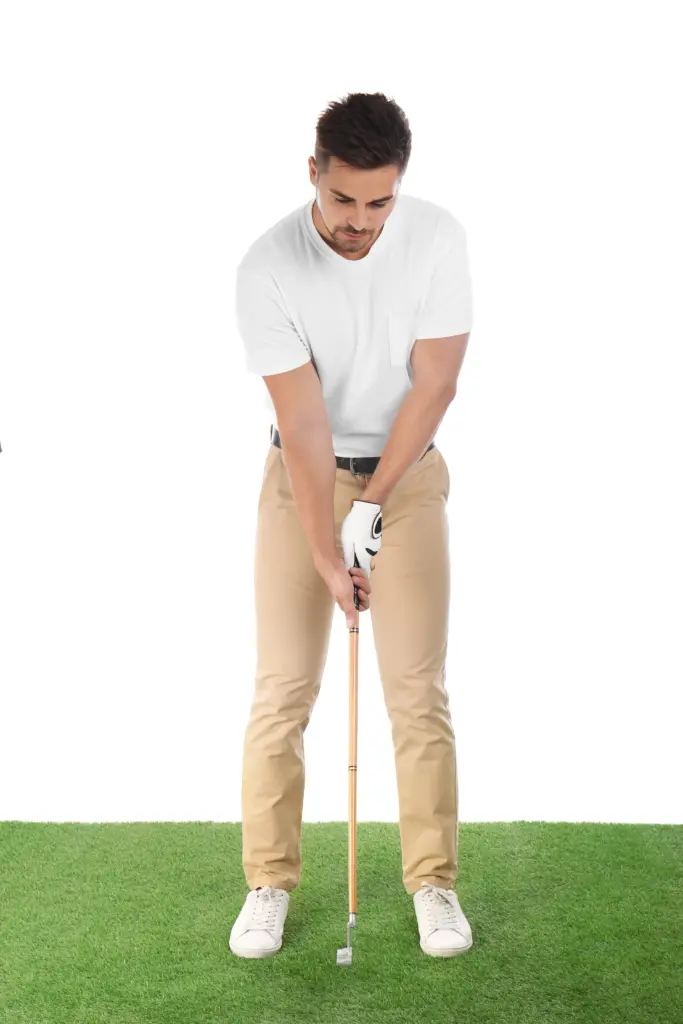
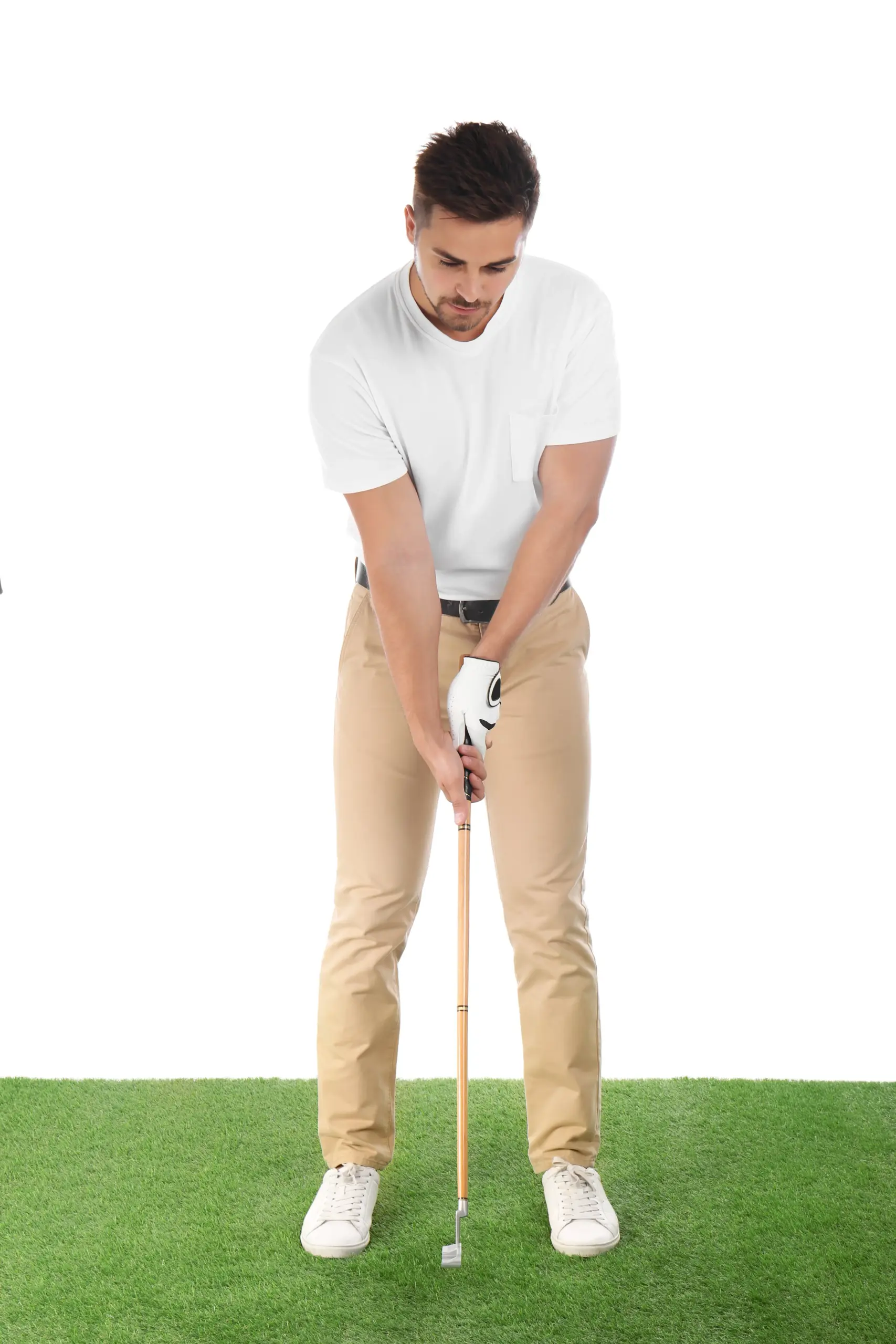
Start with a slightly narrower stance, soft knees, and a tall, balanced spine so your hands can travel on a compact arc. Keep the handle modestly forward, align the sternum over the ball, and feel light pressure in the lead heel. This setup reduces head lift and ceiling contact risk, while encouraging clean rotation around a stable axis. A doorframe checkpoint for head height and a mirror check for shoulder tilt keep your geometry consistent, safe, and powerful indoors.
Short Loading Without a Traditional Backswing
Replace a long takeaway with a brief hinge and ribcage turn that stops before the hands reach hip height. Imagine a mini pump: set the wrists slightly, rotate the torso a touch, then pause to feel pressure shift into the lead side. This creates stored energy without ceiling interference. Many players use a lead-arm-only rehearsal to learn structure, then add the trail hand for support. The feeling is compact, springy, and immediately ready to rotate through impact with authority.
Tools That Work Under Eight Feet
Compact trainers make practice possible when ceilings are low and walls feel close. Short-shaft tempo sticks, hinged trainers that highlight wrist angles, and flexible shafts that exaggerate sequencing help you sense lag without overswinging. Impact devices build face control without launching balls, while foam and low-flight options protect neighbors and lamps. Prioritize quiet feedback, durability, and clear alignment markers. When space is tight, the right tool removes guesswork, reinforces proper feels, and turns fifteen spare minutes into real skill gains.
Compact Trainers With Instant Feedback
Shortened tempo trainers, flexible-shaft compacts, and stubby speed rods encourage rhythm without ceiling contact. Their reduced length and controlled bend expose early casting or rushed transitions immediately. You will feel whether the club loads smoothly and whether your body leads the downswing. Many include visual alignment cues on the grip to set face orientation correctly. The goal is reliable, repeatable load and release in inches, not feet, making every swing safe, deliberate, and centered on impact conditions you can trust.
Impact and Contact Builders
An impact bag or soft strike pillow lets you practice compressing the ball substitute without worrying about flight. Pair that with face tape, foot spray, or dry-erase lines to map strike location. Add a coin or tee gate to train centered contact and path control. Even a folded towel placed just behind the strike zone punishes early release. These simple tools transform tiny spaces into effective labs, giving you precise, quiet feedback to refine face angle, low point, and launch consistency.
Setting Up a Safe Indoor Bay
Stand in address with your trainer and slowly trace your intended arc, noting where the shaft approaches ceiling or fixtures. Use painter’s tape to outline safe stance positions and hand paths on the floor. If clearance feels tight, shift diagonally or rotate your station slightly to gain precious inches. Photograph the setup and mark reference points so you can rebuild it quickly. These small habits protect your space, preserve confidence, and encourage you to practice more often with fewer interruptions or worries.
Choose a mat that cushions joints and stabilizes your feet, then secure edges with non-slip backing. Keep a soft, dense backdrop behind your net to deaden rebounds. Position lights above and behind you to reduce glare in mirrors, and avoid low-hanging fixtures entirely. Wall mirrors or phone stands provide instant visual feedback on posture and rotation. Store trainers vertically in a corner rack to minimize clutter. The right environment promotes focus, repetition, and safety, turning limited square footage into a consistent training sanctuary.
Foam balls, soft-face trainers, and fabric nets keep sound levels polite. A small handheld vacuum quickly clears mat fibers and foot powder after strike mapping. Establish quiet hours if you share walls, and communicate your schedule to roommates or family. Consider a rubber underlay beneath mats to dampen vibration through floors. Keep a towel handy to wipe grips and reduce slippage. Clear rules and clean routines build goodwill, protect your equipment, and ensure you can practice frequently without friction or complaints.
A 30-Day Progress Plan
Structure turns intention into lasting skill. This month-long plan blends micro-loading, contact calibration, and speed that does not require a traditional backswing. You will alternate short, focused sessions with brief checkpoints to assess strike pattern and clubface control. The progression prioritizes confidence and repeatability, layering in purposeful constraints only when fundamentals hold. No day requires much space or time, making it realistic for busy schedules. Track notes, record quick videos, and celebrate small wins that compound into durable, trustworthy improvements.


Apartment Victory
Mina lived beneath creaky floors and a chandelier she dared not disturb. She started with mirror work, matching a neutral spine and a compact hinge. Using face spray, she mapped strikes and learned that a slight handle raise centered contact. After two weeks of impact bag sessions, foam-ball flights began on line. Her first outdoor round revealed straighter irons and calmer nerves. Limitation became clarity: rotate, compress, finish. No ceiling stress, no wasted motion, and measurable confidence swing after swing.
Hotel Hallway Practice
Owen traveled weekly, stuck between meetings and budget lighting. He carried a flexible compact trainer, rehearsing micro-loads facing a dark window at night. Counting one-two aloud, he curated a dependable release that never brushed the ceiling. On course, he felt the same chest-to-target finish and surprising compression from tight lies. The magic was not distance gained but dispersion reduced. With a carry-on and fifteen quiet minutes, he banked reliable feels that translated immediately into lower stress and better scoring.

Junior Clinic Puzzle
Our team’s winter gym had low rafters and a curious echo. We banned long takeaways and focused on lead-heel pressure and brisk torso rotation. Kids used towel-under-armpit drills to stabilize arms, laughing when towels dropped early. Over four weeks, strikes migrated toward the center and flight windows narrowed once outdoors. Parents noticed calmer pre-shot routines and sharper finishes. The constraint taught rhythm, balance, and intent. Even without backswings, the golfers learned to deliver the club with purpose and joy.
Troubleshooting and Community
Constraints surface patterns quickly. When contact wanders or ceilings feel too close, small adjustments restore trust. This space is for quick fixes, shared experiments, and encouragement. Ask questions, post short videos, and subscribe for weekly drills shaped for limited rooms. We will spotlight reader solutions, host monthly challenges, and refine progress plans together. Improvement indoors thrives on supportive feedback and creative constraint. The more we compare notes, the faster you will convert intention into consistent swings that hold up anywhere.