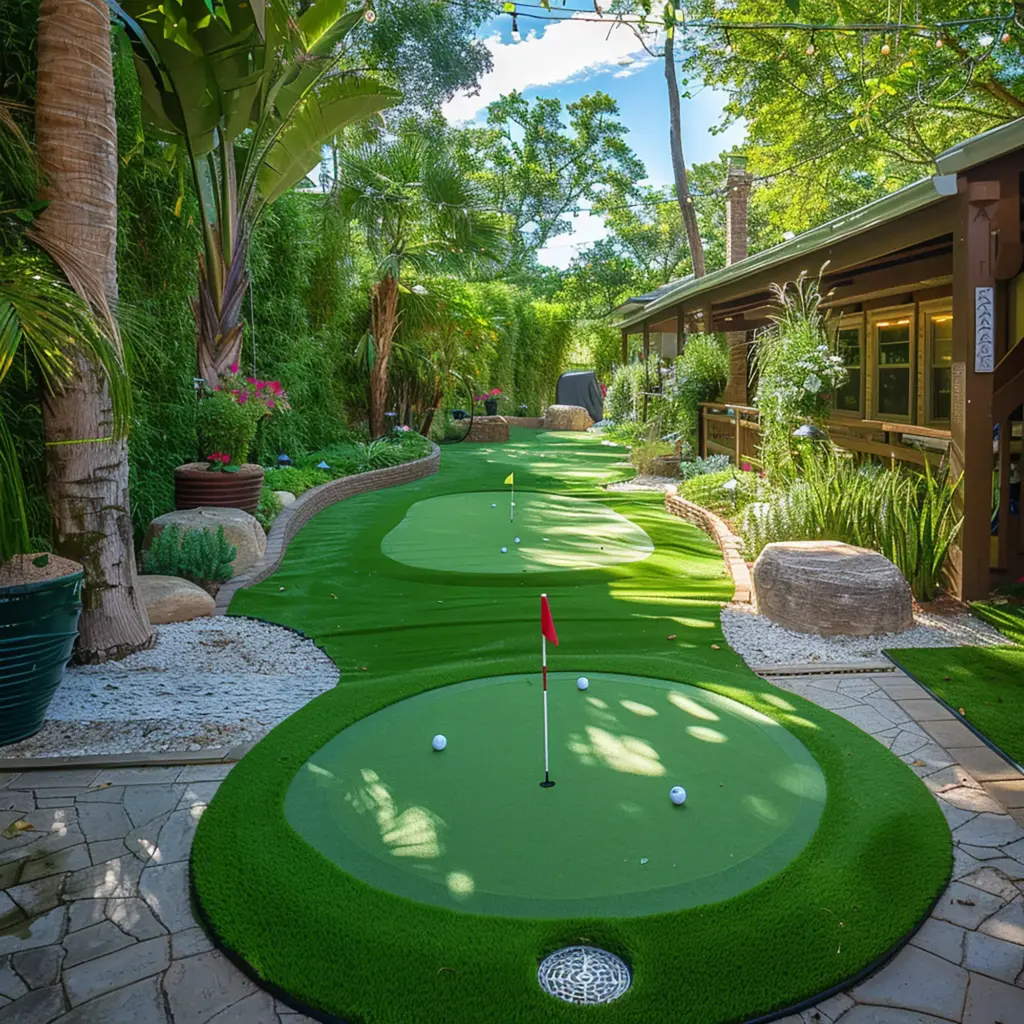
Big Swings, Small Spaces

Today we explore portable golf simulators for small rooms through a friendly, practical buying guide that balances accuracy, comfort, and budget. Learn how to measure your space, choose the right sensors, mats, nets, and displays, and assemble a setup that packs away easily without disturbing neighbors or family. Share your room dimensions, ask questions, and subscribe for weekly small‑space drills, setup checklists, and gentle gear tests tailored to quiet homes.

Ceiling Height and Swing Plane

Driver swings ask for more vertical space than wedges, and taller golfers need extra margin for comfort and confidence. Measure from mat surface to ceiling, not floor, and account for shoes. If clearance is tight, consider shorter shafts, more compact backswings, or focusing training on mid‑irons while preserving realistic ball flight and club delivery fundamentals.

Width, Depth, and Safe Buffer Zones

Depth between ball and net affects bounceback risk and spin capture, while width protects against heel strikes and big push‑fades. Aim for comfortable stance room plus lateral miss tolerance, even if you’re practicing late at night. Keep fragile items and windows out of direct line, add side curtains or netting, and position the tee just forward of center.

Lighting and Surface Considerations

Camera‑based systems prefer stable, flicker‑free light; LED bulbs usually outperform fluorescent tubes indoors. Minimize glare on screens and glossy balls, and test exposure before serious sessions. Level the hitting surface to avoid sidehill lies, manage cable runs safely, and share your room dimensions in the comments so others can suggest creative improvements that streamline your swing routine.

Tracking Tech That Works Up Close
In confined spaces, sensor choice decides whether shots feel believable or frustrating. We’ll compare high‑speed photometric cameras, radar units, and infrared or hybrid bars, explaining how each handles short ball flight, spin calculation, club data, lighting conditions, and alignment. Expect realistic buyer guidance shaped by small‑room constraints, plus setup tricks that unlock accuracy without permanent installations.

Nets vs Retractable Screens

Nets are light and forgiving, perfect for foam balls, while retractable screens immerse you with projected fairways and putting surfaces. Choose based on noise, storage, and viewing distance. Consider screen gain, wrinkle resistance, and impact durability. A compact projector on a cart can roll away, leaving your living area tidy within moments after finishing a simulated round.

Mats and Tees That Don’t Wreck Floors

Quality hitting mats absorb shock, saving wrists and elbows during repetitive strikes. Prioritize dense foam underlayment, secure edges, and a stance section that won’t curl. Use tee systems that allow varying heights without cutting holes. Place a grippy rug pad beneath to prevent sliding, reduce impact noise, and protect hardwood or tile from dropped clubs.

Projectors and Displays Without Permanent Mounts

Short‑throw projectors shine in small rooms, producing big images from close range and keeping shadows minimal. Pair with a tripod or rolling stand and lock keystone settings in a profile. If projectors won’t work, a TV behind a net still provides useful shot data. Quick HDMI disconnects simplify teardown, keeping clutter low and motivation high.

Software, Courses, and Practice Modes

Practice Routines That Build Real Skills

Structure sessions with focused intent: wedge distance control ladders, start‑line gates, and face‑to‑path awareness drills. Track dispersion circles over weeks to visualize progress. Mix randomized targets to avoid grooving a single yardage. Pair routine notes with screenshots, creating a training journal that transforms scattered swings into consistent, confidence‑building progress you can take to your favorite course.

Hardware Compatibility and Specs

Structure sessions with focused intent: wedge distance control ladders, start‑line gates, and face‑to‑path awareness drills. Track dispersion circles over weeks to visualize progress. Mix randomized targets to avoid grooving a single yardage. Pair routine notes with screenshots, creating a training journal that transforms scattered swings into consistent, confidence‑building progress you can take to your favorite course.

Online Play and Social Motivation

Structure sessions with focused intent: wedge distance control ladders, start‑line gates, and face‑to‑path awareness drills. Track dispersion circles over weeks to visualize progress. Mix randomized targets to avoid grooving a single yardage. Pair routine notes with screenshots, creating a training journal that transforms scattered swings into consistent, confidence‑building progress you can take to your favorite course.

Budgeting Smartly in Stages

Thoughtful sequencing stretches every dollar. We’ll outline starter kits, meaningful upgrades, and gear that holds value. Decide what to buy new versus used, where to test before committing, and which accessories deliver the biggest comfort and accuracy gains. Build a pathway that respects rent and relationships while still delivering satisfying practice and realistic, confidence‑building performance numbers.
Begin with a sturdy net, a forgiving mat, and a sensor proven to work in short flight. Borrow a projector or use a TV first. Track what limits your enjoyment, then upgrade only those pieces. This staged approach preserves excitement, manages cash flow, and reveals which features genuinely matter for your space, swing, and schedule.
Invest first in the surfaces you stand on and the barrier that stops balls. A cushioned, realistic mat protects joints and invites longer sessions, while a durable screen or net prevents anxiety. Quality lighting and a stable computer also compound satisfaction. Spend here early, then expand into club‑data add‑ons or premium software once fundamentals feel rock‑solid.

Accurate Alignment and Club Data

Place an alignment stick parallel to your target line, then match camera or radar aim accordingly. Verify with a straight‑face mid‑iron shot and compare on‑screen start line. Use reflective dots or stickers where appropriate, and recheck weekly. Small drift in orientation can masquerade as swing faults, so lock your reference and maintain consistent checkpoints.

Protecting Walls, Ceilings, and Family

Simple additions make a big difference: soft side curtains, a ceiling baffle above the hitting zone, foam edge guards on shelves, and a landing rug behind the net. Keep pets outside the hitting area, announce practice starts, and teach family safe boundaries. Respect builds trust, and trust creates permission for longer, more focused sessions together.

Noise Control for Apartments

Most noise comes from impact and echoes, not voices. Layer rugs, underlay, and rubber tiles; hang soft art or acoustic panels opposite the screen to absorb slap‑back. Use softer balls at night and respect quiet hours. Invite neighbors to try a few swings; friendliness turns potential complaints into community support for your compact practice sanctuary.
Daiaaye
Privacy Overview

This website uses cookies so that we can provide you with the best user experience possible. Cookie information is stored in your browser and performs functions such as recognising you when you return to our website and helping our team to understand which sections of the website you find most interesting and useful.